
Commercial Snow Removal in Cornell
Commercial Snow Removal in Cornell, Wisconsin.
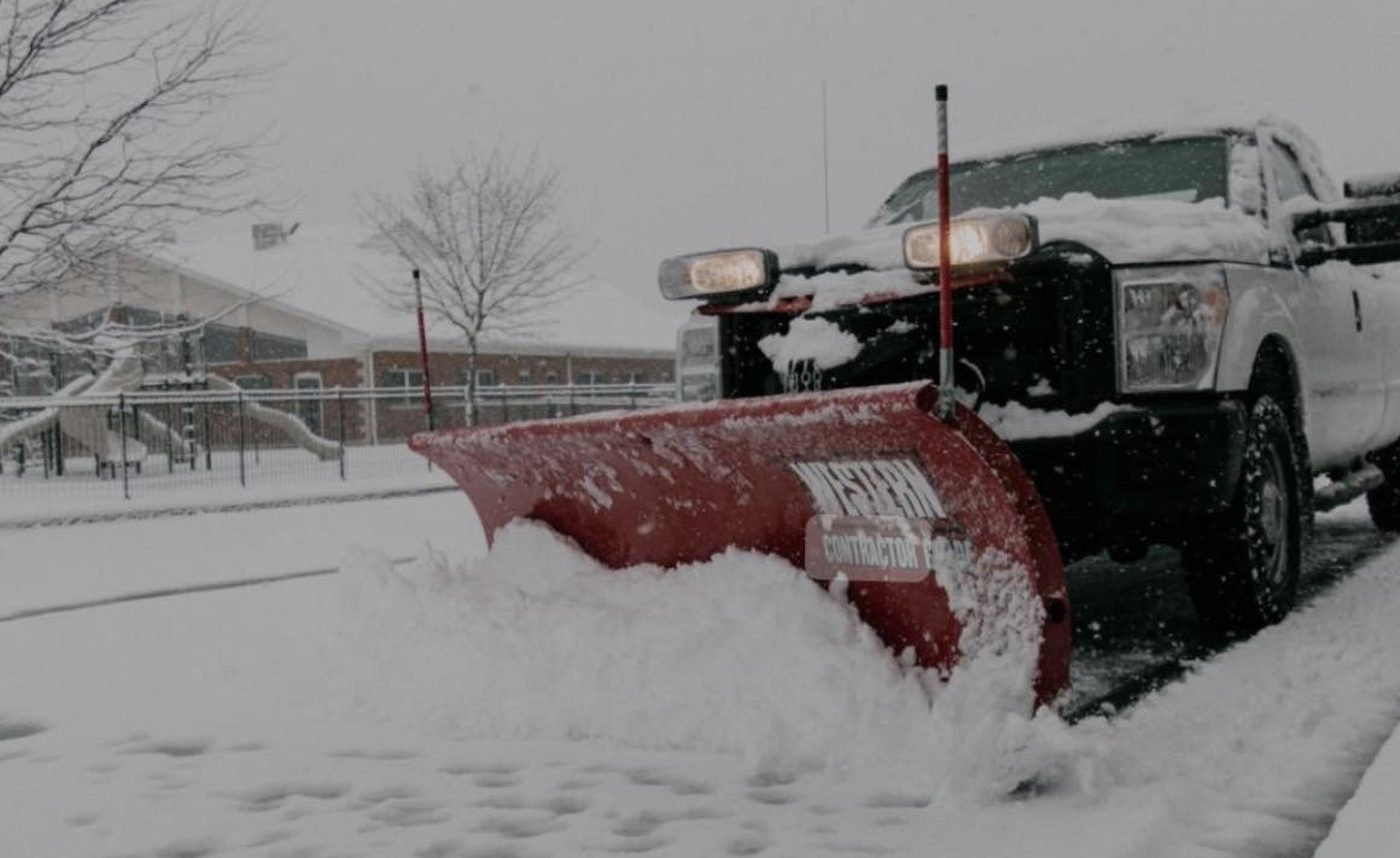
Plowing for parking lots, drive lanes and walkways in Eau Claire and Chippewa Falls. Call and tell us about the property, and we'll talk through what it needs for the winter.
About 45 minutes north of Eau Claire. The estimate is free.
Working in Cornell
Snow plowing is centered on Eau Claire, and Cornell is a drive out. Ask rather than assume.
From our jobs
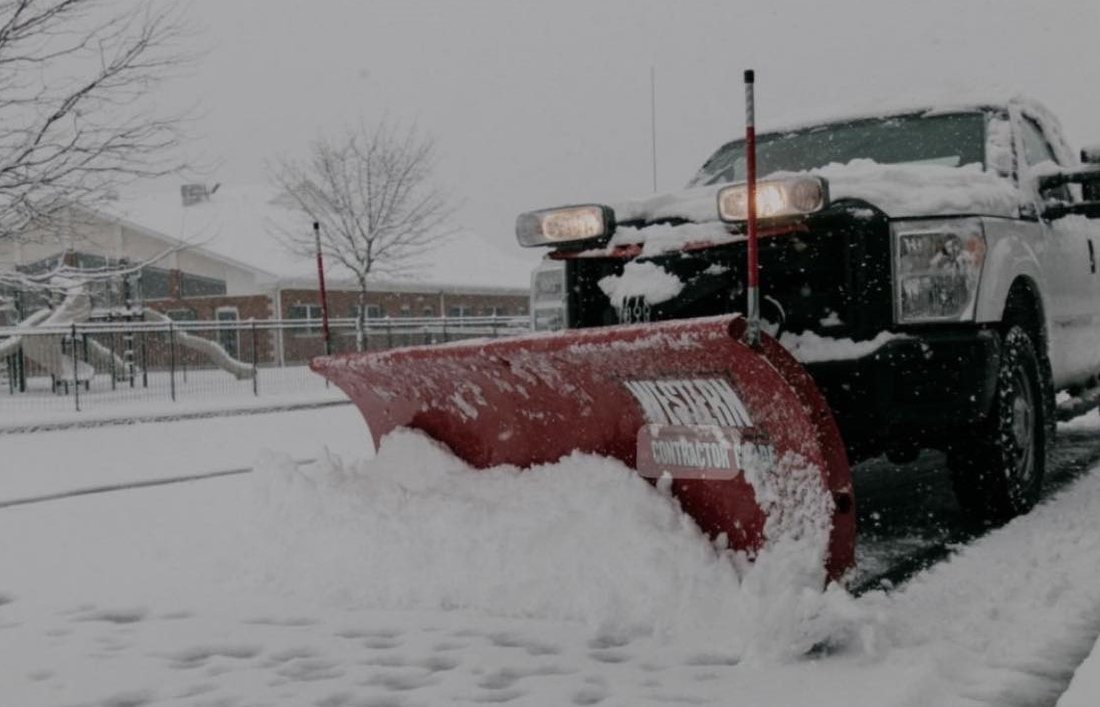
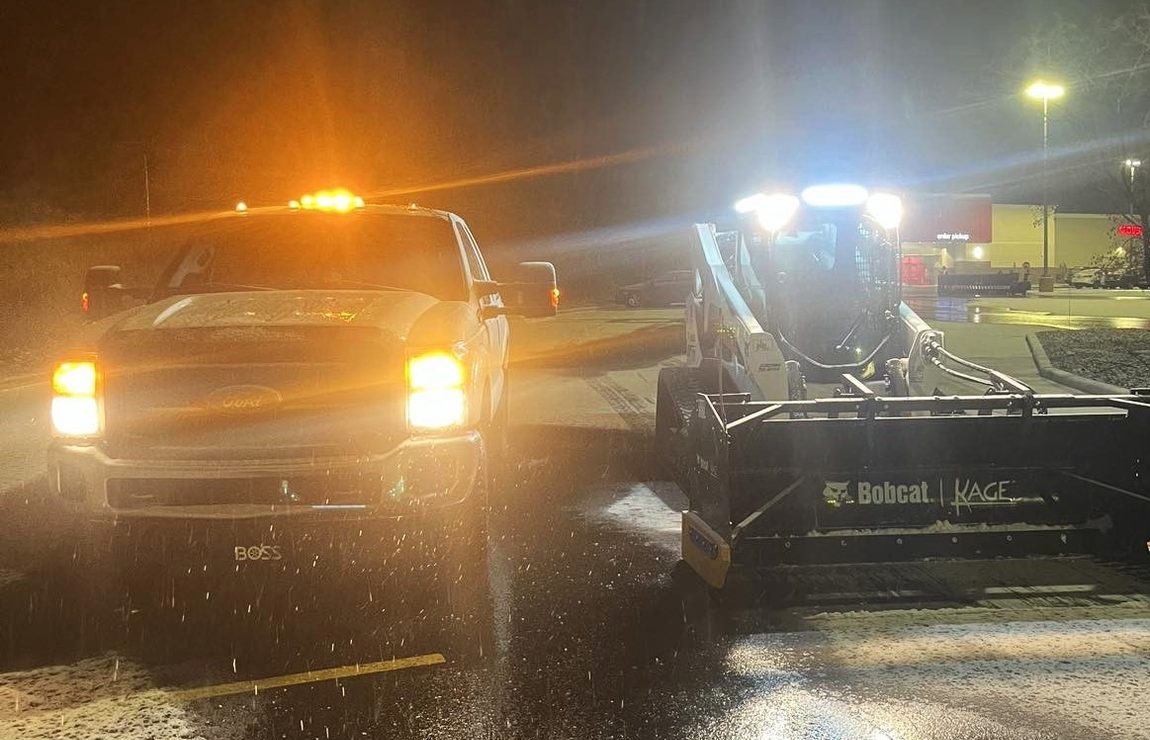
Job Photos
Plowing is where a lot of asphalt damage comes from.
A blade set too low scrapes the surface and takes the sealer with it. A blade that catches a catch basin frame lifts it, and now you have a spring repair. Piling snow in the wrong corner means meltwater runs across the lot and refreezes where people walk, and then does the freeze-thaw cycle to your asphalt fifty times over one winter in exactly the same spot. None of that is difficult to avoid. It takes knowing the pavement, which is the same knowledge the rest of this site is about.
Cornell is a fair way out. Do you actually come up here?
Do you work the Industrial Park Road properties, or only driveways?
Do you plow residential driveways?
Which towns do you plow?
When should I line up snow plowing?
Does plowing damage asphalt?
Why does the ice sheet form in the same corner every year?
We just had the lot sealed. Can it be plowed this winter?
Does road salt damage asphalt?
What does a plow do to a catch basin?
Should we mark the edges of the lot before winter?
The Lots and Surfaces in Cornell
Cornell sits on the Chippewa River upstream of Lake Wissota, where Highways 64 and 27 meet and the Scenic River Road up from Chippewa Falls ends. The country around it is glacial: rolling forested moraine, kettle ponds, eskers and kames left by the Chippewa Lobe. Brunet Island State Park sits at the north end of Park Road where the Fisher River joins the Chippewa.
Cornell has two commercial corridors rather than one, and they do different jobs.
Main Street is retail and civic: city hall, the bank, the pharmacy, the hardware store, the newspaper. Small frontages and shared access. Bridge Street carries the larger footprints: the mill, the grocery, the fuel stop, and the middle and high school.
Then Industrial Park Road, which for a village this size is a genuine industrial street. A truss plant and a cabinet works sit on it, both with real truck movements and the surface wear that comes with turning loaded trailers on the same radius every day. That's a different repair from anything residential.
Cornell
We work all of Cornell rather than a named handful of neighborhoods.
Around Cornell: Cornell Pulpwood Stacker, Mill Yard Park, Brunet Island State Park, Old Abe State Trail, Brunet Falls Park.
1,452 people, 2024 Census estimate.
This far north the season runs a little shorter at both ends. Standard 48-inch frost depth, and the glacial ground drains unevenly: sand in one spot and till a few feet away, which is why settlement here's often local rather than general.
Get a Free Estimate in Cornell
Tell us what it looks like and we'll come measure it. You get a written price before anything starts.
(715) 450-9897- Free on driveways and lots anywhere in the service area
- A photo of the problem helps, and it can go in the message
- Surfaces that are not ready yet get told so at the estimate
Get an estimate
Send the form and we'll call you back. The estimate is free.
Other Work We Do in Cornell
- Sealcoating in Cornell
- Crack Filling and Sealing in Cornell
- Asphalt Repair and Patching in Cornell
- Catch Basin Repair in Cornell
- Parking Lot Striping in Cornell
- Track and Athletic Surfaces in Cornell
- Concrete in Cornell
- Concrete Repair in Cornell
- Asphalt Paving in Cornell
Commercial Snow Removal in Nearby Towns
- Commercial Snow Removal in Cadott
- Commercial Snow Removal in Bloomer
- Commercial Snow Removal in Stanley
- Commercial Snow Removal in Chippewa Falls
- Commercial Snow Removal in Lake Hallie
- Commercial Snow Removal in Chetek
Everything about commercial snow removal, including how the work goes and what changes the price